🐝 Why Honey Bees “Dance Better” When Others Are Watching
Honey bees adjust their famous waggle dance depending on who is watching.

☕ Keep science free for kids.
Your support keeps it that way.
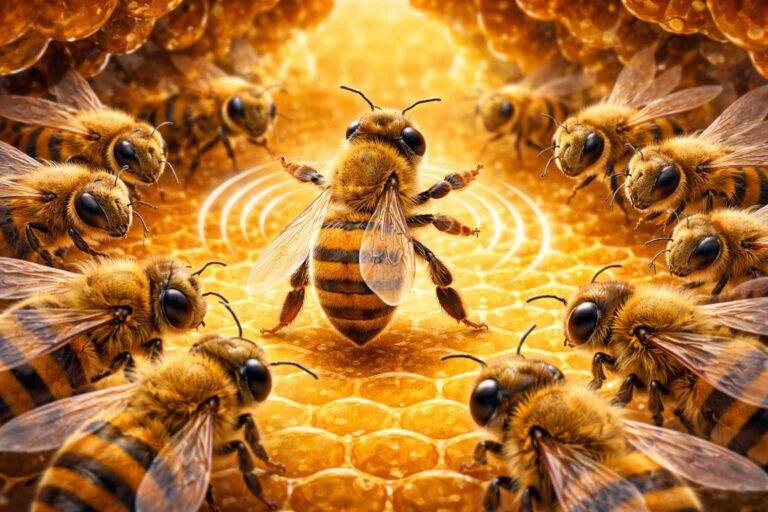
Honey bees adjust their famous waggle dance depending on who is watching.
A new discovery reveals that foam leaks due to moving bubbles—not just liquid flow.
How pink rocks helped uncover a giant hidden under Antarctica and what it means for Earth’s future.
Discover how a distant exploding star helps solve the mystery of how fast the universe is expanding.
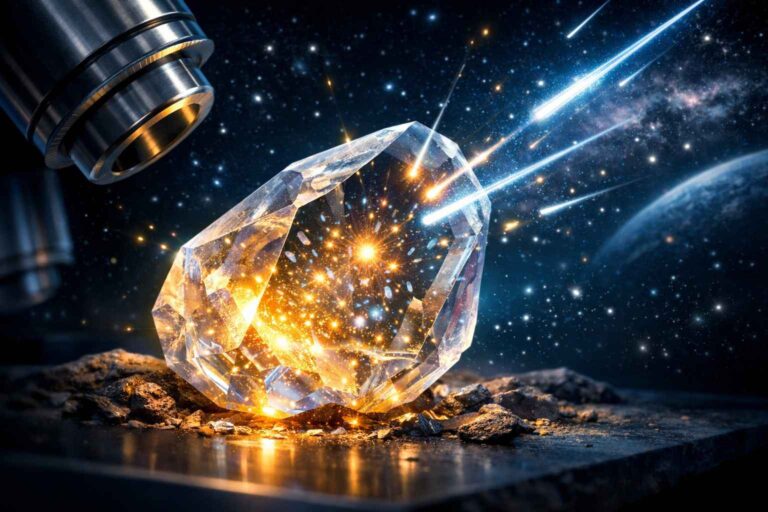
Cosmic rays trapped inside tiny zircon crystals create a natural geological clock that helps scientists reveal how ancient landscapes formed over millions of years. 🔎 Key Highlights What If Sand Could Tell the Story of Earth? Imagine picking up a grain of sand on a beach… and discovering it contains a record of millions of…
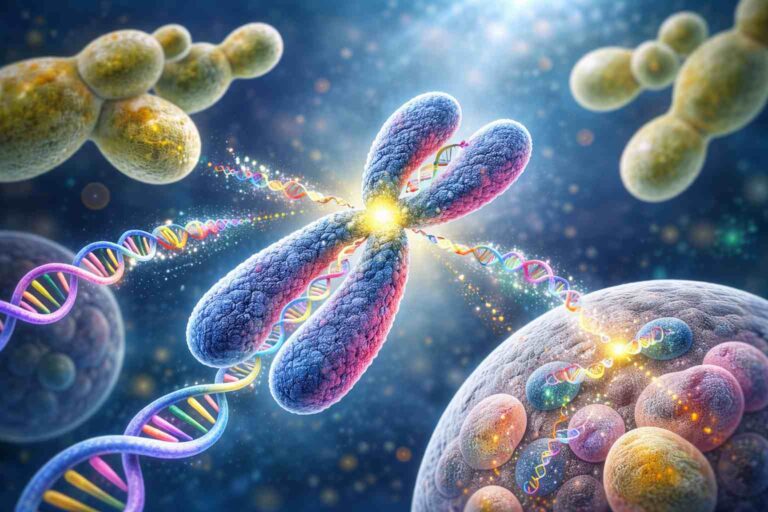
Researchers uncovered the evolutionary origin of yeast’s unusual point centromeres, revealing they formed from retrotransposons once considered junk DNA.
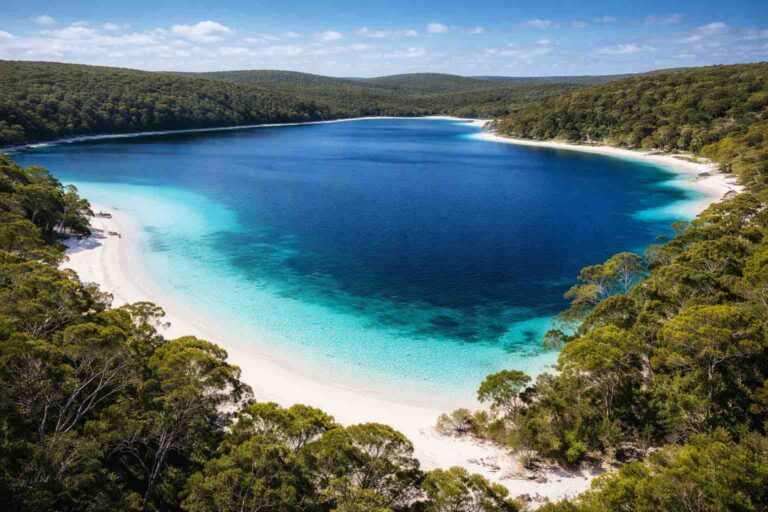
New research reveals that several of K’gari’s deepest lakes vanished 7,500 years ago despite high rainfall, likely due to shifting wind patterns.
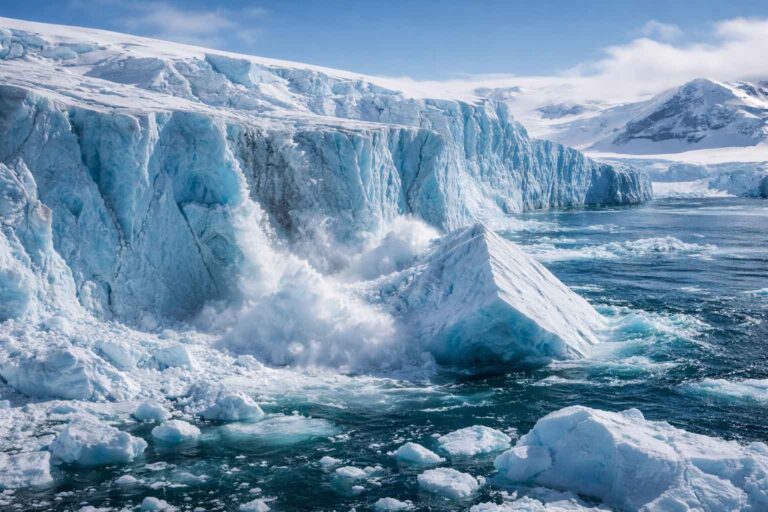
Scientists discovered that Hektoria Glacier collapsed rapidly after floating off a flat underwater ice plain, marking one of the fastest glacier retreats ever recorded.
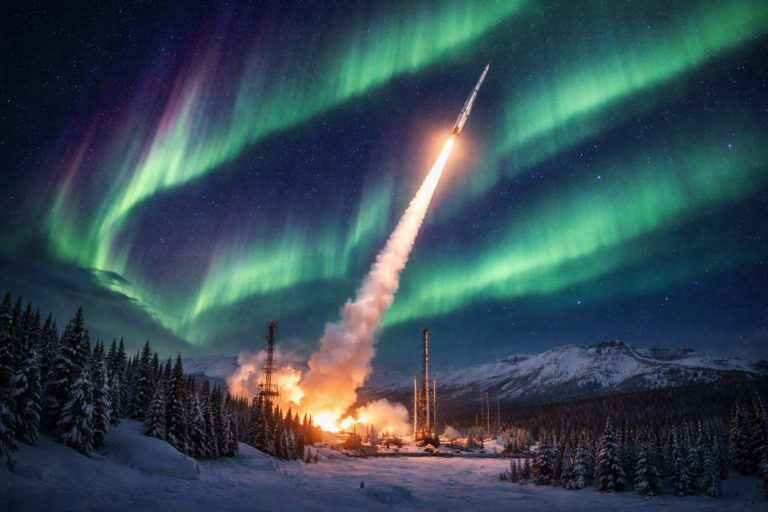
NASA fired sounding rockets into the aurora over Alaska, creating a 3D scan of its electrical currents and studying rare black auroras.
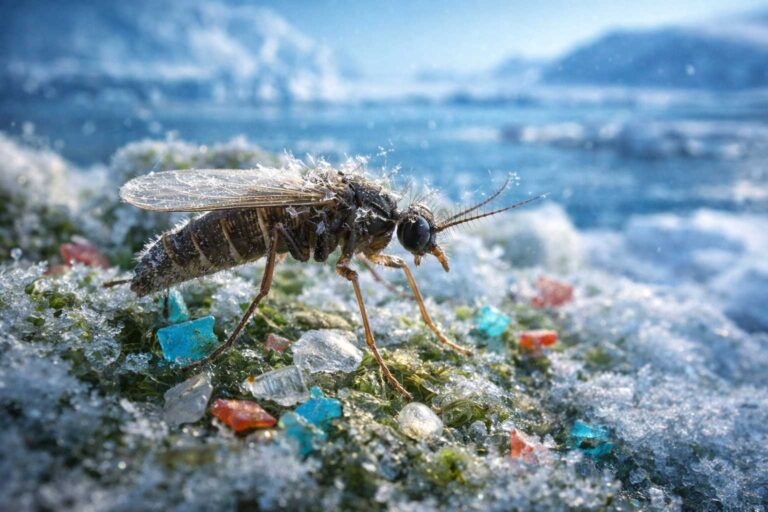
Scientists have discovered microplastics inside Antarctica’s only native insect, revealing that even Earth’s most remote ecosystems are not untouched by pollution.