🌱✨ Tiny Moss Survives Outer Space for 9 Months — and Still Grows!
Moss spores survived nine months outside the ISS and kept growing back on Earth. Kids learn how these tiny plants endured vacuum, radiation, and extreme temperatures!
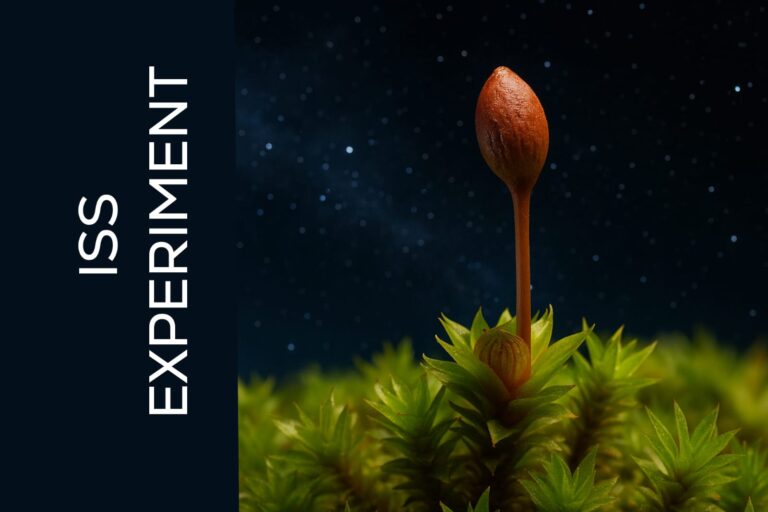
Moss spores survived nine months outside the ISS and kept growing back on Earth. Kids learn how these tiny plants endured vacuum, radiation, and extreme temperatures!
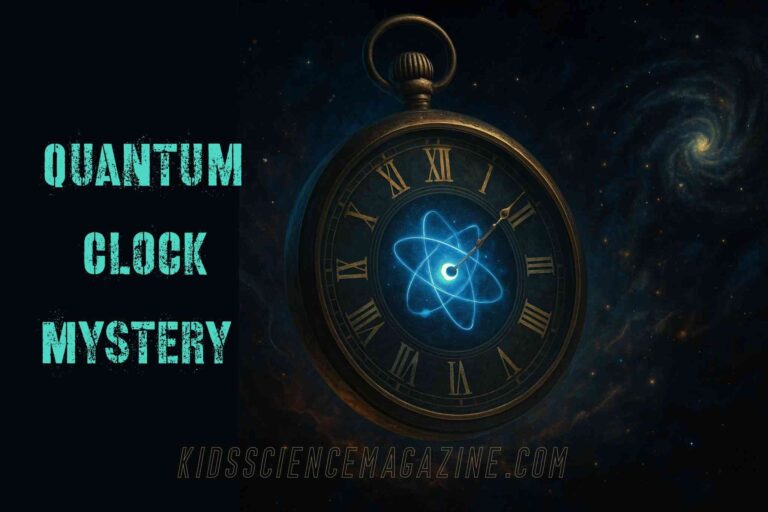
A tiny quantum clock has stunned scientists with a billion-fold energy surprise. In this kid-friendly science mystery, discover why measuring a clock’s ticks forces time to flow forward — one of physics’ strangest secrets!
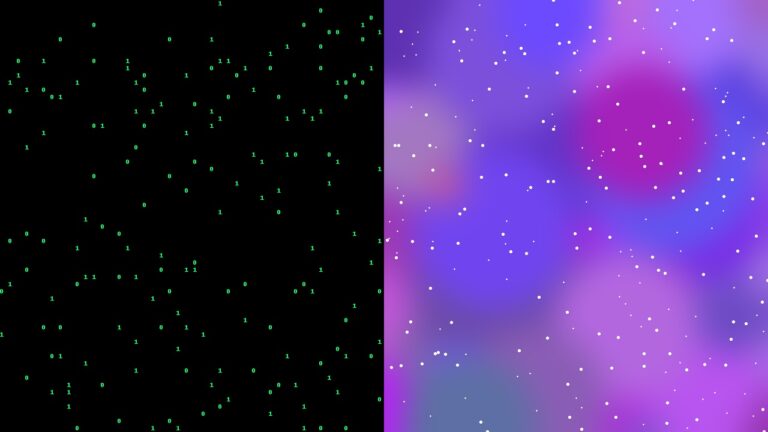
Scientists discovered that the universe cannot be a computer simulation. Learn how new mathematics shows our reality is deeper than any algorithm. Explained for kids!

Scientists in Korea developed a low-temperature copper catalyst that turns CO₂ into clean fuel components with record efficiency. A breakthrough for climate-friendly energy! What if we could recycle the air?No, really — what if we could take carbon dioxide (CO₂), the gas that causes global warming, and turn it into clean fuel to power cars,…
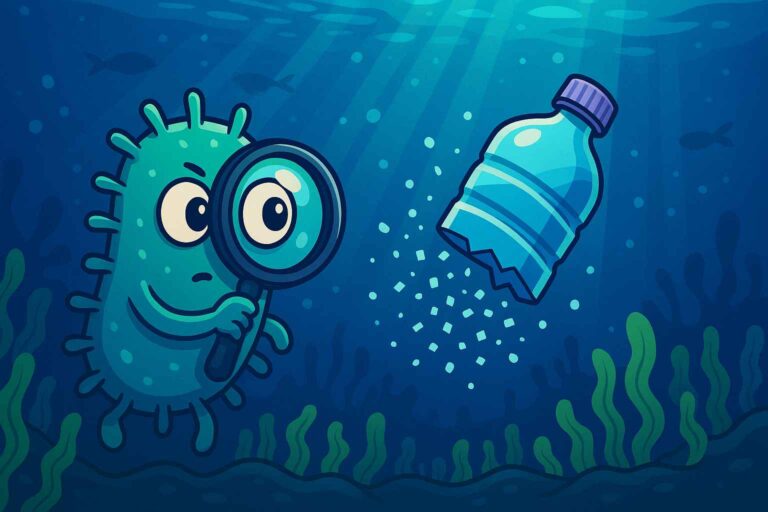
Scientists discovered ocean bacteria that can digest PET plastic using a special enzyme called PETase with the M5 motif. Learn how nature is adapting to pollution!
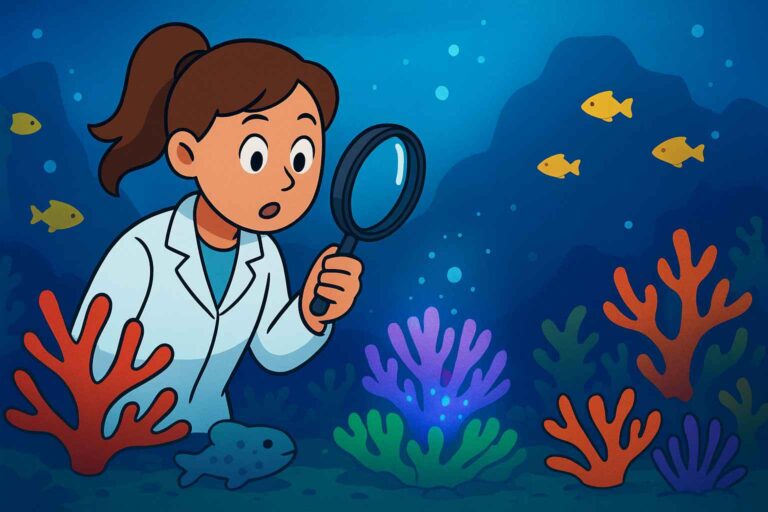
A mysterious glow vanished from coral reefs, puzzling scientists around the world. Discover how this ocean mystery was solved, what made the corals stop glowing, and what it means for marine life and ocean health.

Auburn University scientists have discovered mysterious “quantum crystals” that control free electrons — a breakthrough that could power the next generation of quantum computers, smart machines, and cleaner industries. Dive into this Science Mystery and explore the invisible world shaping tomorrow!

Scientists at the University of St Andrews have created a “magic pixel” by combining OLEDs with holographic metasurfaces. This breakthrough could bring true holograms to smartphones, games, and virtual reality—making sci-fi holograms a part of everyday life!
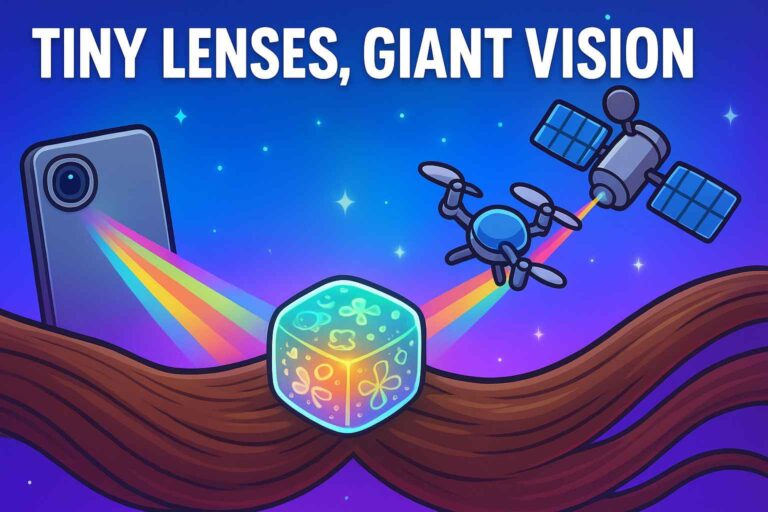
Scientists have invented new multilayer metalenses—so thin they’re smaller than a strand of hair! These tiny, powerful lenses could make future phones, drones, and satellites lighter and sharper. Discover how clover- and propeller-shaped nanostructures are changing the way we see the world.
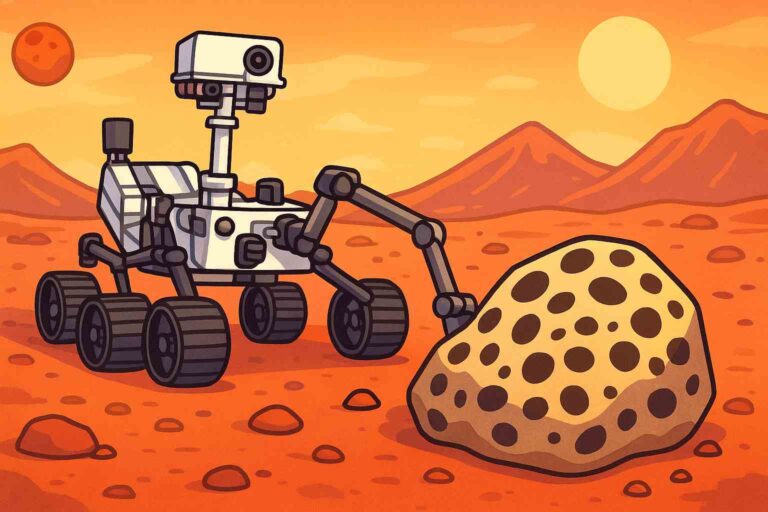
NASA’s Perseverance rover has discovered strange “leopard spots” in a Mars rock that may be the strongest clue yet of ancient microbial life. Scientists are investigating these unusual mineral patterns, which look like biosignatures found on Earth.