🧊 Antarctic Glacier Collapses in Weeks After Sudden Lift From Seafloor
Scientists discovered that Hektoria Glacier collapsed rapidly after floating off a flat underwater ice plain, marking one of the fastest glacier retreats ever recorded.
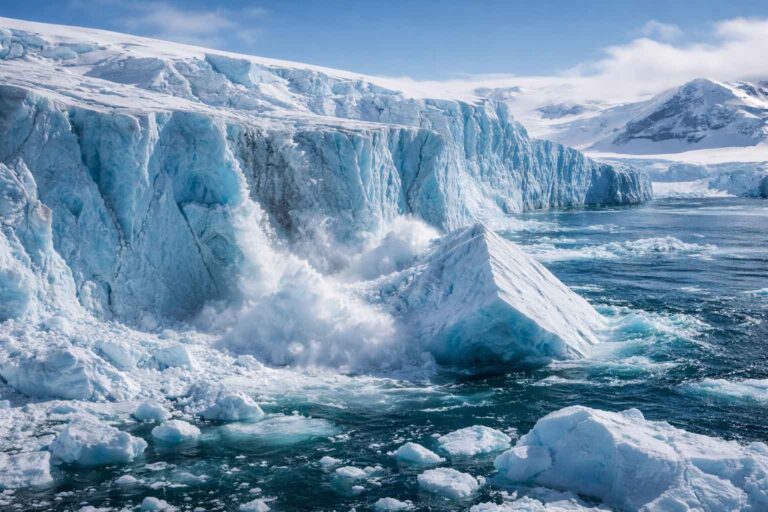
Scientists discovered that Hektoria Glacier collapsed rapidly after floating off a flat underwater ice plain, marking one of the fastest glacier retreats ever recorded.
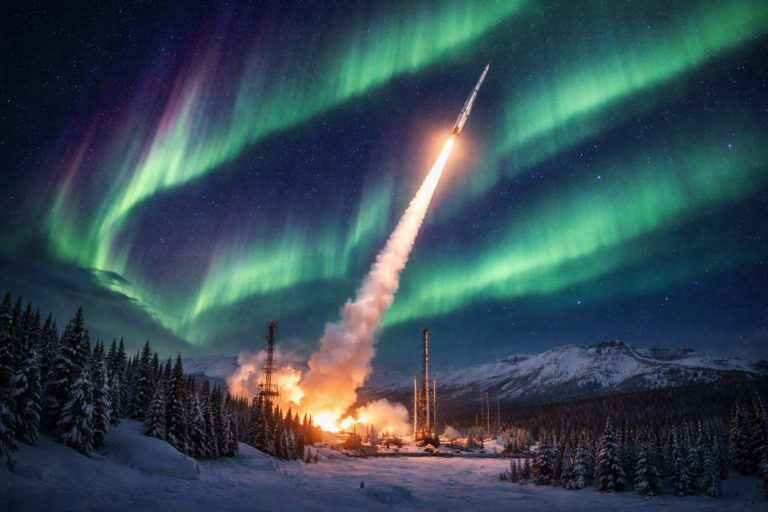
NASA fired sounding rockets into the aurora over Alaska, creating a 3D scan of its electrical currents and studying rare black auroras.
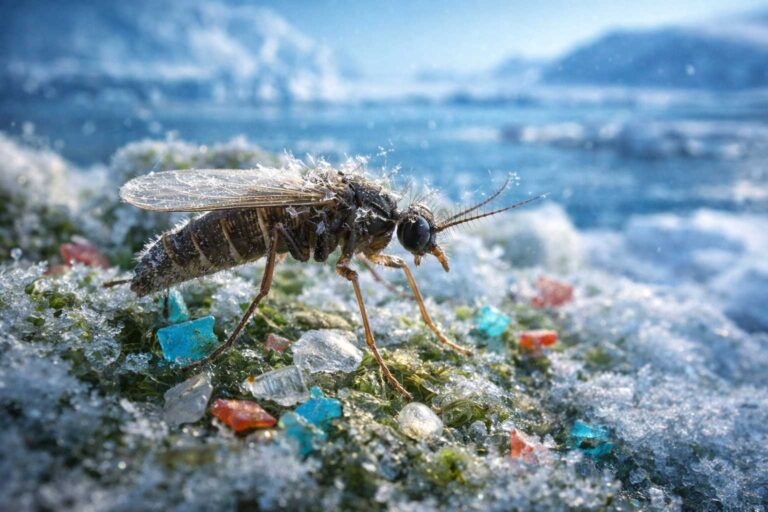
Scientists have discovered microplastics inside Antarctica’s only native insect, revealing that even Earth’s most remote ecosystems are not untouched by pollution.
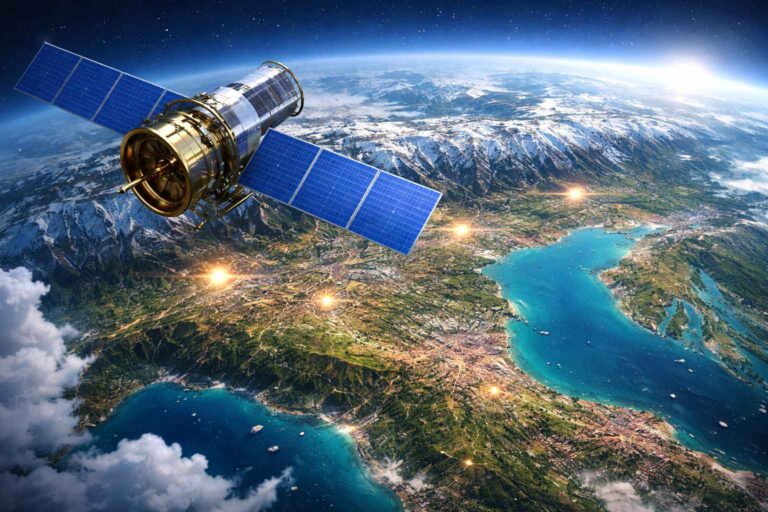
See the 2026 Winter Olympics from space. Satellite images reveal the Games stretching across Italy’s Alps, Lake Garda, Milan, and Venice.
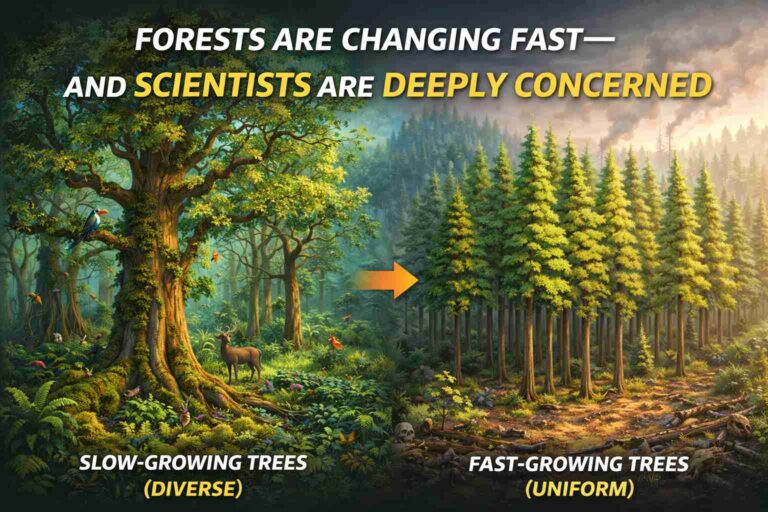
A massive global study shows forests are becoming dominated by fast-growing trees while slow, long-lived species disappear—making forests weaker, less diverse, and more vulnerable to climate change.
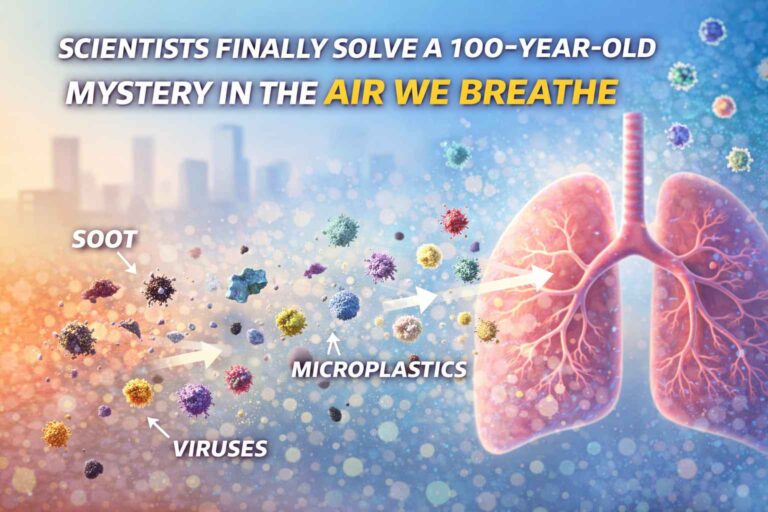
Scientists have solved a 100-year-old mystery about how tiny, irregularly shaped particles move through the air we breathe—unlocking better predictions for pollution, health risks, and climate science.
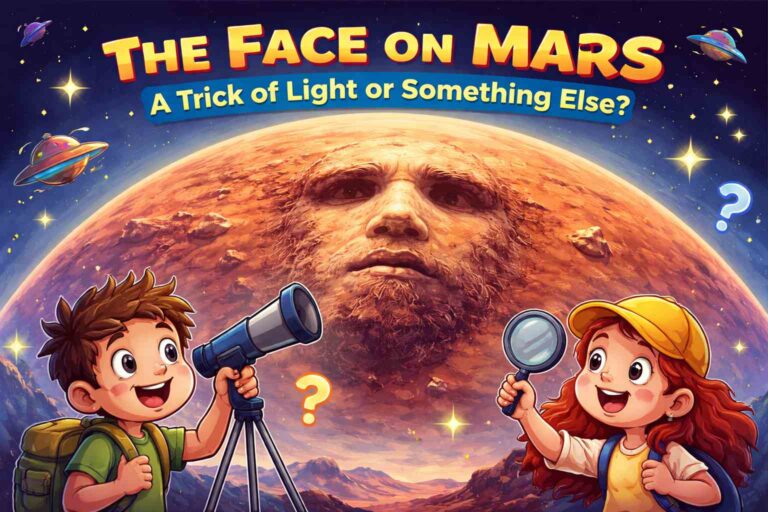
A mysterious face spotted on Mars shocked the world! Was it carved by aliens or created by shadows and light? Explore the famous “Face on Mars” mystery with fun facts, theories, and kid-friendly science thinking.

Scientists have developed a new device that can switch ultra-stable, donut-shaped light patterns. These resilient light structures could help build faster and more reliable future wireless communication systems.
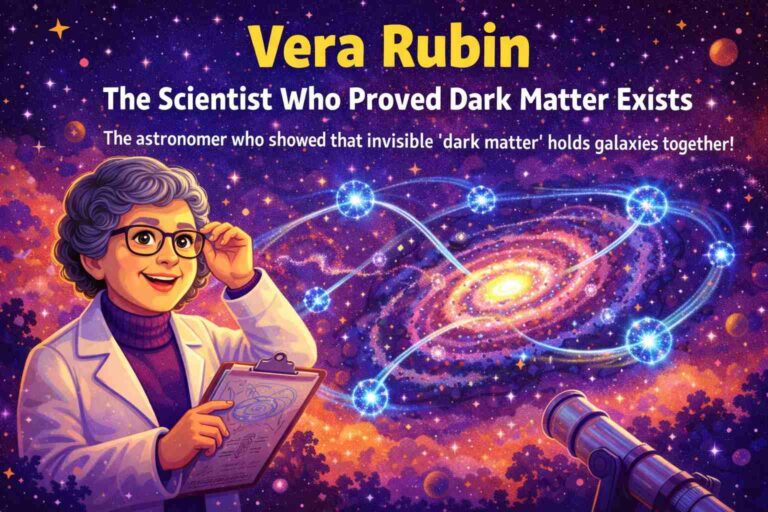
Discover the inspiring story of Vera Rubin, the astronomer who proved dark matter exists and showed that invisible matter holds galaxies together. A fun, easy science story for kids with facts, quizzes, and inspiration. Introduction: The Invisible Mystery of the Universe 👀🌌 Look up at the night sky. You see stars, planets, and glowing galaxies….
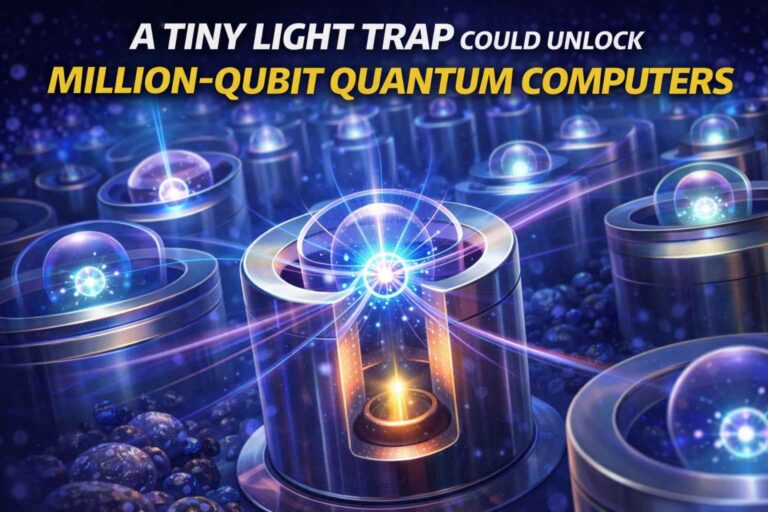
Scientists have created tiny light traps that collect information from single atoms, making it possible to read many qubits at once. This breakthrough could help quantum computers scale to millions of qubits.