How Does a Thermometer Work? The Hidden Science Inside a Thermometer—You’ll Never See Temperature the Same Way Again!
The Hidden Science Inside a Thermometer—You’ll Never See Temperature the Same Way Again!
Have you ever wondered how a tiny glass tube filled with liquid can tell you if it’s hot or cold outside? 🌡️❄️☀️ That’s the magic of a thermometer! But wait—there’s no magic involved, just awesome science. Let’s dive into the world of thermometers and uncover their secrets!
The Science Behind Thermometers
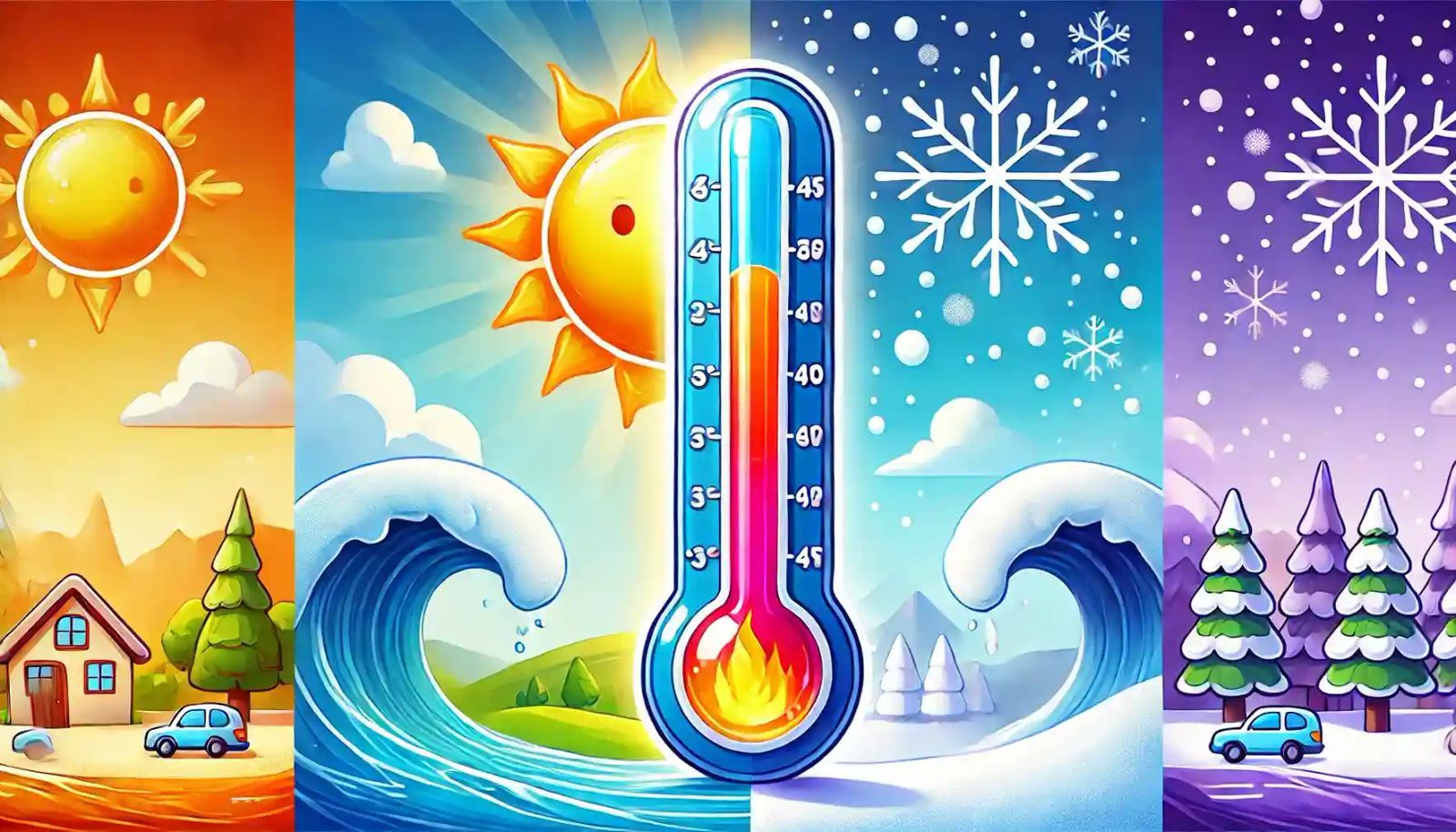
A thermometer works because of a simple yet fascinating scientific principle: liquid expansion and contraction. 🌊🔍📏 The liquid inside a thermometer, usually mercury or alcohol, reacts to temperature changes. When the temperature rises, the liquid expands and moves up the tube. When it gets colder, the liquid contracts and moves down. That’s how a thermometer measures temperature!
Why Do Liquids Expand and Contract?
Everything around us is made up of tiny particles called molecules. 🧪🔬⚛️ When these molecules absorb heat, they start moving faster and spread out, making the liquid take up more space—it expands! When the temperature drops, the molecules slow down and come closer together, causing the liquid to shrink or contract.
Types of Thermometers
Did you know that not all thermometers work the same way? 🌍📡🌡️ Here are some cool types of thermometers and how they work:
Why Do Some Thermometers Use Alcohol Instead of Mercury?
Mercury thermometers were once the most common, but many are now replaced with alcohol thermometers because alcohol is safer and can measure lower temperatures. 🏺🔴🧊 Alcohol is often dyed red, blue, or green so it’s easier to see in the tube.
Fun Thermometer Facts!
Make Your Own Thermometer!
Want to see liquid expansion in action? Try this fun experiment! 🏗️🎨🧪
You’ll need:
Steps:
How Do Weather Forecasters Use Thermometers?
Thermometers don’t just help us check if we need a sweater or a cold drink—they are also crucial for weather prediction! 🌦️🌡️📡 Meteorologists use thermometers to measure air temperature, which helps them understand weather patterns and make forecasts. When combined with other tools like barometers (which measure air pressure) and hygrometers (which measure humidity), thermometers help predict storms, heatwaves, and even snowfalls! Next time you watch a weather report, remember that a simple thermometer plays a big role in keeping us prepared for the day ahead. 🌍☀️❄️
Final Thoughts
Next time you check the weather, remember the amazing science happening inside a thermometer! 🌎☀️❄️ Whether it’s a liquid-in-glass, digital, or infrared thermometer, they all help us measure temperature using the fascinating science of expansion and contraction. Science is everywhere—even in the palm of your hand! 🤯🔬🌡️
✨ Did You Know?
📖 Science Word
Expansion
/ik-SPAN-shun/The increase in volume or size of a substance as its particles absorb heat and push farther apart.
🔤 Word Scramble
Test Yourself!
Question 1 of 4
What primary scientific principle makes traditional liquid-in-glass thermometers work?
Quick Poll
Which kind of thermometer do you use most often at home?
How fun was this article?